Personalized Language Learning Strategies: Tailoring Methods for Your Success
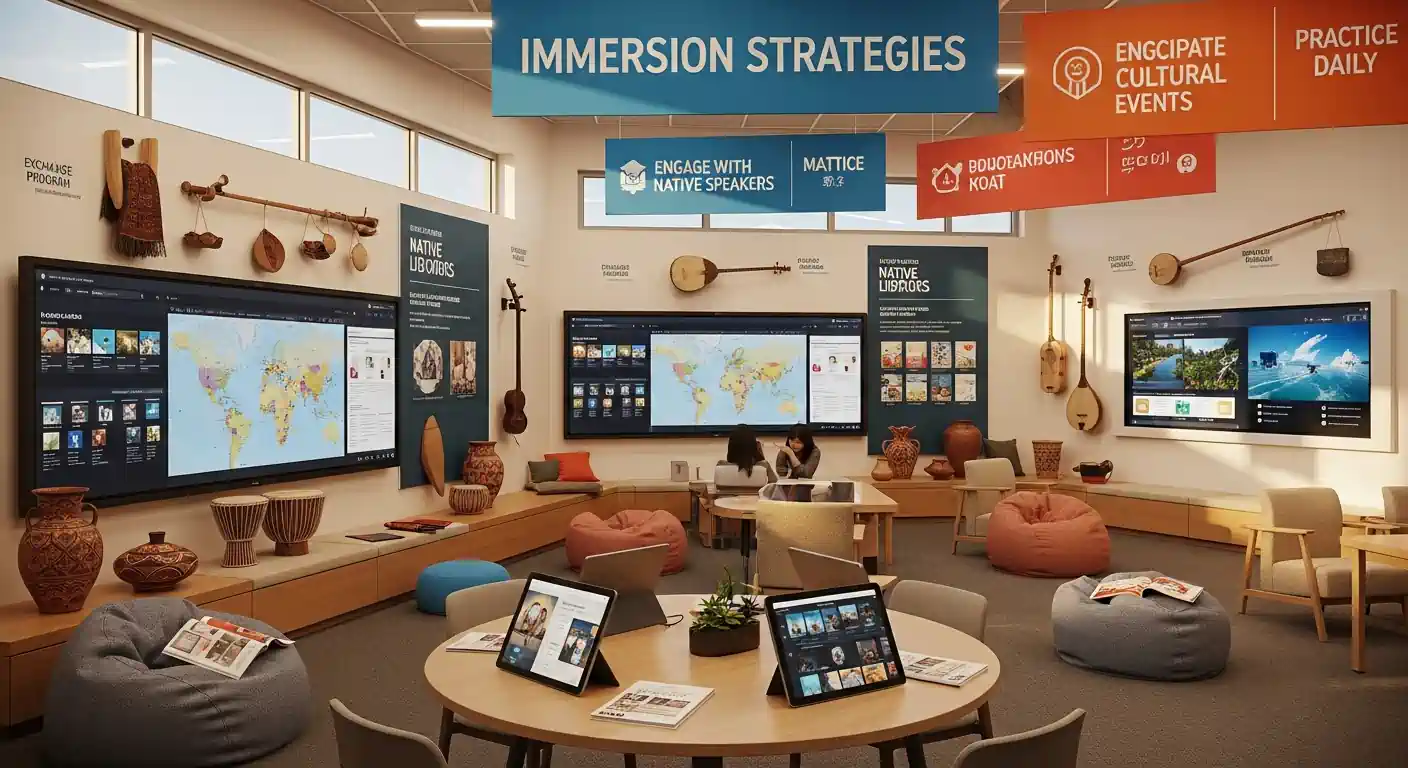
Are you struggling to make consistent progress in your language learning journey? Generic methods often fall short because effective language acquisition is deeply personal. This article explores personalized language learning strategies, offering a clear path to tailor your approach for optimal success and genuine fluency. By understanding your unique learning style, goals, and motivations, you can unlock a more efficient and enjoyable way to master any new language. It's about making the learning process work for you, not the other way around.
Key Points for Personalized Language Learning:
- Self-Assessment: Identify your learning style and current proficiency.
- SMART Goals: Align strategies with specific, measurable objectives.
- Resource Customization: Choose materials that resonate with your interests.
- Dynamic Adaptation: Continuously review and adjust your methods.
- Growth Mindset: Cultivate resilience for sustainable progress.
Why Personalized Language Learning Strategies are Essential
Many learners find their motivation waning using popular apps or textbooks. This often happens because one-size-fits-all approaches don't account for individual differences in cognitive processing, prior knowledge, or personal interests. True progress stems from personalized language learning strategies that align with how you best absorb information. Ignoring these fundamental differences leads to frustration and slow progress, whereas a tailored approach significantly enhances efficiency, engagement, and retention.
Understanding Your Learning Profile: The Foundation of Customization
To effectively tailor language methods, understanding yourself as a learner is paramount. While VAK (Visual, Auditory, Kinesthetic) models offer a start, consider a broader spectrum of preferences. Are you an analytical or intuitive learner? Do you prefer structured lessons or free exploration? Self-reflection and experimentation are key. Your learning profile isn't static; preferences often evolve with proficiency. A beginner might rely on visual cues, while an intermediate learner thrives on auditory immersion. Regularly assessing what works—metacognition—is crucial for effective language learning techniques, distinguishing adaptive learners from those with fixed approaches.
Setting SMART Goals for Your Personalized Journey
Without clear goals, even the best personalized language learning strategies can falter. Your goals guide your resource and activity choices. Adopt the SMART framework to define success for you.
- Specific: "I want to order food confidently in Spanish."
- Measurable: "I will be able to hold a 5-minute conversation about daily routines."
- Achievable: "Given my schedule, dedicating 30 minutes daily is realistic."
- Relevant: "This goal aligns with my upcoming trip to Mexico."
- Time-bound: "I will achieve this within 3 months."
SMART goals ensure focused, trackable efforts, enhancing motivation and your customized language instruction. For a deeper dive into crafting effective language goals, explore our guide on .
Crafting Your Customized Language Instruction Plan
With your learning profile and SMART goals defined, design how to create a personalized language plan. This is where tailoring language methods creates an individualized blueprint. It's about finding the best combination of resources and activities for you right now.
1. Diverse Resource Selection:
- Textbooks & Apps: For structured learners, these provide foundational explanations and varied exercises.
- Native Media: Podcasts, music, and movies are invaluable for auditory learners; subtitles assist visual learners.
- Language Exchange Partners: Ideal for practicing speaking and receiving real-time feedback from native speakers.
- Immersion (Virtual or Real): Change your phone language, read foreign news, or visit cultural centers to engage with the language environment.
2. Active Learning Strategies:
- Spaced Repetition Systems (SRS): Tools like Anki leverage cognitive science to optimize vocabulary and phrase retention. This is an evidence-based method proven to enhance long-term memory, as supported by studies on learning and memory (e.g., Bjork, R. A., & Bjork, E. L. (2011). Making things hard on yourself, but in a good way: Desirable difficulties and the blockage of knowledge acquisition.).
- Active Recall: Instead of passively rereading, actively test yourself. Flashcards, self-quizzing, and trying to explain concepts aloud are powerful techniques.
- Contextual Learning: Learn vocabulary and grammar within sentences or real-life scenarios, improving retention and making your individualized language plans far more effective.
Leveraging Technology and Modern Approaches for Individualized Language Plans
Modern technology offers immense opportunities for individualized language plans. Beyond basic apps, AI-powered language platforms are becoming increasingly sophisticated. These tools can analyze your performance, pinpoint specific weaknesses (e.g., struggling with a particular verb tense or pronunciation), and then dynamically adjust the content and exercises presented to you. An AI tutor, for instance, might generate custom exercises specifically targeting gender agreement, a level of personalization traditional methods rarely achieve.
- Adaptive Learning Platforms: Programs like Duolingo, Memrise, or more advanced AI tutors, track your progress and modify lessons on the fly.
- Speech Recognition Software: Practice pronunciation and get instant feedback, crucial for auditory and kinesthetic learners.
- Virtual Reality (VR) Immersion: Emerging VR experiences simulate real-world conversations and scenarios, offering a low-stakes environment for practice.
- Personalized Content Curators: Tools that recommend articles, videos, or podcasts based on your proficiency level and interests.
Sustaining Motivation and Adapting Your Approach
Maintaining motivation is a significant challenge in any long-term endeavor, especially language learning. Your personalized language learning strategies aren't static; they demand continuous review and adaptation. As you progress, your needs and interests will evolve. A method that was highly effective for beginners might become less engaging or challenging at an intermediate level.
- Regular Review: Periodically assess your current strategies. Are they still working? Are you enjoying the process?
- Track Progress: Seeing tangible improvements, no matter how small, fuels motivation. Use apps, journals, or simple check-off lists.
- Embrace the Growth Mindset: View mistakes as learning opportunities, not failures. As highlighted in 'Mindset: The New Psychology of Success' by Carol Dweck (published 2006), a growth mindset is critical for overcoming challenges and fostering resilience in language learning.
- Celebrate Milestones: Acknowledge your achievements, whether it's understanding a short story or holding a basic conversation.
- Don't Fear Change: If a strategy feels stale or unproductive, don't hesitate to experiment with new methods. This dynamic approach to tailoring language methods is key for sustained success.
The Power of Active Recall and Spaced Repetition for Retention
Engaging resources are vital, but how you review information profoundly impacts long-term retention. Active recall and spaced repetition are two cognitive science principles forming the bedrock of truly effective personalized language learning strategies. Active recall involves actively retrieving information from memory, rather than passively re-reading. For example, cover vocabulary translations and try to remember them; this struggle strengthens neural pathways.
Spaced repetition builds on this by scheduling reviews at increasingly longer intervals. If you recall an item correctly, the system waits longer before showing it again. If you forget, it appears sooner. This intelligent scheduling, popularized by software like Anki, drastically boosts memory efficiency. A recent meta-analysis by Agarwal, P. K. (2024), "Retrieval Practice: A Robust Strategy for Improving Learning and Retention," confirms the broad applicability and powerful impact of active recall. Integrating these into your individualized language plans reduces study time while enhancing long-term retention. To learn more about this powerful technique, read our article on .
Frequently Asked Questions About Personalized Language Learning
Q: How do I identify my learning style for language acquisition? A: Reflect on past learning successes and challenges. Experiment with visual aids (flashcards, videos), auditory input (podcasts), and hands-on practice (speaking). Observe which methods engage you most and lead to better retention. Online quizzes can offer initial insights, but personal experimentation and self-assessment are key to truly understanding your optimal learning pathways.
Q: Can personalized language learning strategies really make me fluent faster? A: "Faster" is subjective, but personalized strategies significantly boost efficiency and effectiveness. By aligning methods with your unique style and goals, you reduce wasted effort. This focused approach enhances retention, strengthens motivation, and ensures more consistent progress, ultimately accelerating your journey towards fluency compared to generic, ill-fitting methods. It optimizes your learning curve for sustainable results.
Q: Is it necessary to use multiple resources, or can I stick to one good one? A: While focusing on one quality resource is a good starting point, incorporating multiple resources is highly recommended for a holistic, personalized approach. Different resources excel in different areas—grammar, listening, conversation. A diverse range allows you to comprehensively address all aspects of language acquisition, prevents monotony, and keeps your learning engaging and well-rounded.
Q: How often should I review and adjust my personalized language plan? A: Review your plan regularly, ideally monthly or quarterly. As you progress, your learning needs will evolve. What worked for a beginner might become less effective later. Be flexible, evaluate progress against your SMART goals, and don't hesitate to change strategies or resources that no longer serve you. This dynamic adaptation is crucial for long-term success.
Start Tailoring Your Path to Fluency
Embracing personalized language learning strategies is not just an option; it's a game-changer for anyone serious about achieving genuine fluency. By understanding your unique learning profile, setting SMART goals, and continuously adapting your methods, you transform language acquisition from a frustrating chore into an engaging and highly effective journey. Remember, the 'best' strategy is always the one that works best for you.
Don't let generic learning methods hold you back. Start experimenting with these tailored approaches today to witness the profound impact on your progress and motivation. We'd love to hear about your personalized language learning journey in the comments below! Share your favorite strategies or challenges.
Continue Your Language Learning Journey:
- Explore more articles in our category.
- Discover effective techniques in .
- Learn about effective vocabulary building in .