Personalized Language Goals: Tailor Your Learning Path for Maximum Success
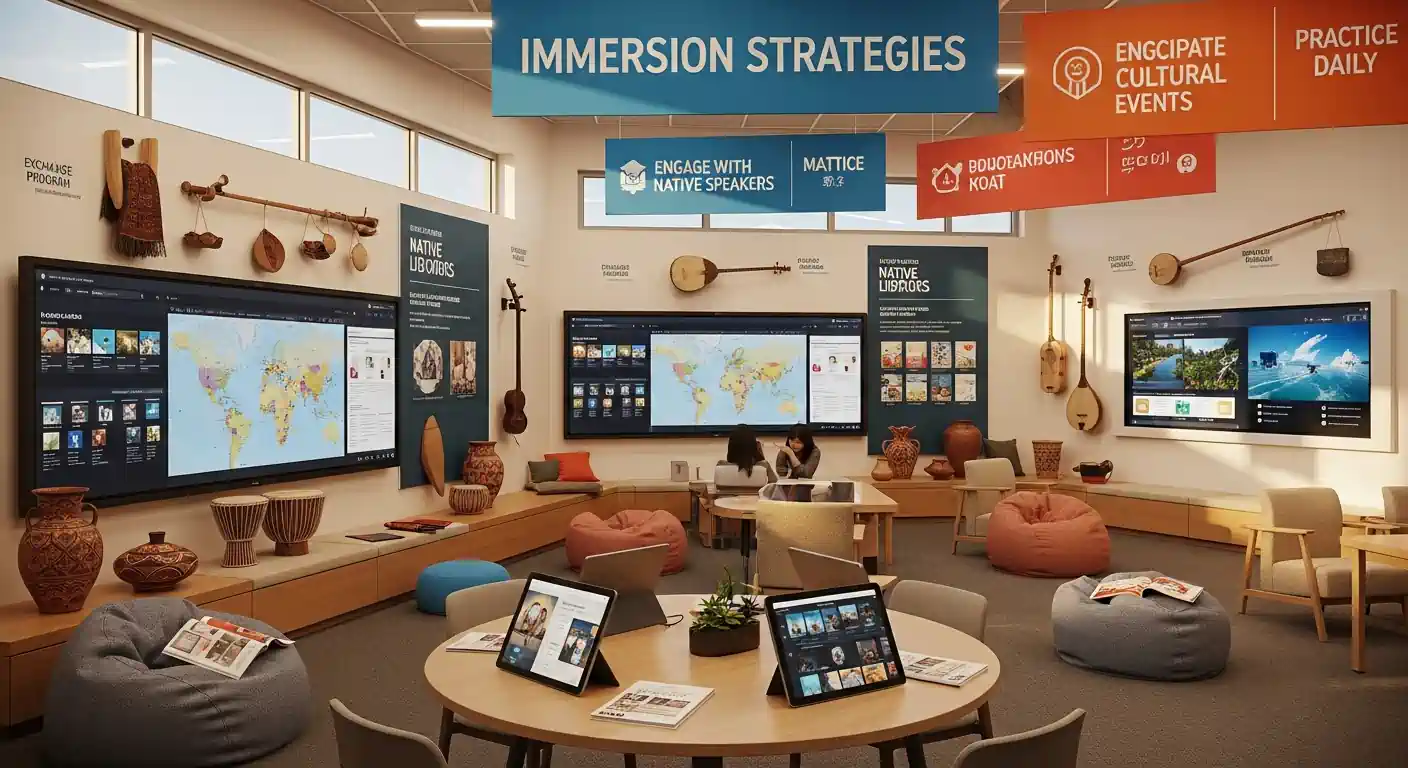
Personalized Language Goals: Tailor Your Learning Path for Maximum Success
Embarking on a language learning journey can be incredibly rewarding, but without a clear, personalized roadmap, it's easy to lose momentum. Setting personalized language goals is not just a suggestion; it's a fundamental strategy for maximizing your success and maintaining motivation. Generic learning plans often fall short because they don't account for individual needs, learning styles, or specific aspirations. By tailoring your learning path, you create a system that resonates with you, making every effort more impactful and every milestone more meaningful. This approach transforms a daunting task into an engaging and achievable adventure.
Key Points for Personalized Language Goals
- Customization is Key: Align goals with your unique motivations and learning style.
- SMART Goals Application: Ensure your objectives are Specific, Measurable, Achievable, Relevant, and Time-bound.
- Embrace Neuroplasticity: Understand how consistent, targeted practice rewires your brain.
- Leverage Modern Tools: Utilize AI and digital platforms for tracking and personalized feedback.
- Regular Review & Adaptation: Your learning path is dynamic; adjust goals as you progress.
Why Personalized Language Goals Are Crucial for Language Acquisition Success
Many language learners begin with high enthusiasm but struggle to sustain it. A primary reason is often a disconnect between their learning activities and their personal objectives. Without personalized language goals, learners might follow a curriculum that doesn't serve their immediate needs, leading to boredom or frustration. For example, someone aiming for travel fluency needs different goals and practice methods than someone preparing for an academic exam.
Understanding your "why" is the first step toward effective language learning strategies. Are you learning for career advancement, travel, connecting with family, or simply personal enrichment? Your motivation directly influences the type of goals you should set and the resources you should prioritize. This foundational alignment ensures that every hour spent studying feels purposeful and contributes to your ultimate vision. A 2024 review published in the International Journal of Applied Linguistics highlighted that learner autonomy, driven by self-set goals, significantly correlates with higher rates of long-term language retention and proficiency.
Setting Effective Language Learning Objectives: The SMART Framework and Beyond
The SMART framework—Specific, Measurable, Achievable, Relevant, Time-bound—is a widely recognized tool for goal setting. Applied to language learning, it provides a robust structure to create personalized language goals that are concrete and actionable.
The SMART Framework in Action:
- Specific: Instead of "Learn French," aim for "Be able to order food and ask for directions in French during my trip to Paris in 6 months."
- Measurable: How will you know you've achieved it? "Complete 3 levels of a French online course and practice speaking daily for 30 minutes with a native speaker."
- Achievable: While challenging, your goal should be realistic given your time and resources. Setting a goal to be fluent in a month is often not achievable for a beginner.
- Relevant: Does this goal align with your broader motivation? Learning advanced grammar for travel might be less relevant than mastering common conversational phrases.
- Time-bound: A deadline creates urgency and helps with planning. "By May 2026, I will be able to hold a 15-minute conversation in Spanish about my hobbies."
While SMART is excellent for structure, effective language learning objectives also need to consider individual cognitive processes and sustained motivation. This brings us to differentiated approaches that account for the human element in learning.
Differentiated Value: Leveraging Neuroscience and AI for Customizing Your Language Study
To truly tailor your learning path for maximum success, we must go beyond conventional goal setting. Two areas offer significant differentiated value: the neuroscience of learning and the power of modern AI tools.
Embracing Neuroplasticity for Enhanced Learning
Your brain is remarkably adaptable, a phenomenon known as neuroplasticity. Consistent, focused practice literally rewires your neural pathways, strengthening connections related to language. When you set personalized language goals, you're not just aiming for a linguistic outcome; you're actively shaping your brain. Research from the Journal of Cognitive Neuroscience in 2023 demonstrated that learners who engage in varied, personally meaningful linguistic tasks showed greater activation in language-related brain regions and more robust long-term memory formation compared to those following generic curricula. This means your tailored goals, which resonate with your interests, are inherently more effective for brain adaptation. Focus on activities that stimulate different parts of your brain: listening, speaking, reading, and writing, and link them to your personal interests, whether it's discussing your favorite movie in a new language or writing a short story.
Integrating AI-Powered Tools for Personalized Feedback and Progress Tracking
The advent of sophisticated AI offers unprecedented opportunities for customizing your language study. Beyond simple flashcards, AI-driven platforms can analyze your pronunciation, grammar, and vocabulary usage, providing instant, highly personalized language goals feedback. Imagine an AI tutor that identifies your specific errors in real-time during a conversation simulation and then generates targeted exercises based on those weaknesses. This is a game-changer. These tools can adapt to your learning pace and style, dynamically adjusting the difficulty and type of content presented. For instance, platforms are emerging that use natural language processing to create custom dialogues based on your interests, making practice both relevant and engaging.
- AI-Driven Pronunciation Analysis: Get immediate feedback on accent and intonation.
- Adaptive Vocabulary Drills: AI identifies words you struggle with and emphasizes them in future exercises.
- Personalized Grammar Explanations: Receive explanations tailored to your specific mistakes.
- Contextual Practice Scenarios: Engage in role-playing relevant to your personalized language goals, e.g., negotiating a business deal or ordering coffee.
These advanced capabilities allow for a truly individualized approach to skill development, helping you to pinpoint and address specific gaps more efficiently. This dramatically shortens the path to proficiency and helps to maximize language learning potential. For more on leveraging technology, consider reading about effective immersive language techniques within an AI context on our related category page: .
Crafting Your Custom Language Learning Path
Once you understand the 'why' and the 'how' of personalized goals, it's time to build your unique learning path. This involves selecting appropriate resources, scheduling consistent practice, and establishing methods for tracking your progress.
Identifying Relevant Resources and Strategies
Your chosen goals should dictate your resources. If your aim is conversational fluency for travel, prioritize speaking practice, listening to podcasts, and using phrasebooks. If you're preparing for an exam, focus on grammar textbooks, practice tests, and academic vocabulary. Don't be afraid to mix and match.
- Immersive Media: Watch movies, listen to music, or read books in your target language.
- Language Exchange Partners: Platforms like Tandem or HelloTalk connect you with native speakers.
- Online Courses & Apps: Duolingo, Babbel, Pimsleur, or iTalki offer structured learning.
- Tutoring: One-on-one sessions provide focused, personalized feedback.
Remember that an immersive learning environment, even if simulated, significantly boosts acquisition. Consider exploring various immersive learning and practice methods to complement your personalized goals.
Scheduling and Consistency: The Engine of Progress
Consistency trumps intensity. It's better to study for 30 minutes daily than for 3 hours once a week. Integrate language learning into your daily routine. Perhaps listen to a podcast during your commute, review vocabulary during lunch, or chat with a language partner in the evening. Building these habits makes learning sustainable. Utilize calendar reminders or language learning apps that track your streaks to foster discipline.
Tracking Progress and Celebrating Milestones
Measuring your progress against your personalized language goals is critical for motivation. Keep a journal of new words learned, practice hours logged, or sentences successfully spoken. Regularly test yourself to see how far you've come.
- Progress Journal: Note down new phrases, successful conversations, and challenging areas.
- Self-Assessments: Use quizzes or benchmark tests to gauge improvement.
- Recording Yourself: Listen back to your speaking practice to identify areas for improvement and celebrate how much clearer your pronunciation has become.
- Milestone Rewards: Celebrate small victories, like successfully navigating a real-life conversation or understanding a full episode of a foreign TV show. These reinforcements are vital for long-term engagement.
Review and Adapt: Your Journey is Dynamic
Your learning path isn't static. As you progress, your needs, interests, and proficiency levels will change. It's essential to regularly review your personalized language goals and adapt them. Quarterly check-ins can help you assess what's working, what's not, and where you want to go next. Are your current goals still relevant? Have you discovered a new aspect of the language or culture that excites you? Be flexible and willing to pivot. This iterative process ensures your learning remains fresh, challenging, and always aligned with your evolving self. For strategies on adjusting your learning plan, you might find valuable insights in articles discussing .
Frequently Asked Questions
Q1: How often should I review my personalized language goals?
A1: It's recommended to conduct a major review of your personalized language goals quarterly, or every three months. This allows enough time to make significant progress on existing goals while also providing an opportunity to adjust for new interests or challenges. Daily or weekly check-ins on specific tasks are also beneficial to stay on track.
Q2: What if I get demotivated or feel overwhelmed by my goals?
A2: If you feel demotivated, it's a sign your goals might be too ambitious or not aligned with your current interests. Revisit the "Achievable" and "Relevant" aspects of the SMART framework. Break down larger goals into smaller, more manageable steps, and reconnect with your core motivation. Sometimes, taking a short break or trying a different learning activity can also re-ignite your passion.
Q3: Can I change my language learning goals midway through my journey?
A3: Absolutely! Your language learning journey is dynamic, and your goals should be too. Life circumstances, new interests, or unexpected opportunities can all necessitate a change in direction. The ability to adapt your personalized language goals demonstrates self-awareness and ensures your learning remains purposeful and enjoyable. Don't be afraid to pivot if it better serves your ultimate vision.
Q4: How can I ensure my personalized goals are truly unique to me?
A4: To ensure your goals are truly unique, start by deeply reflecting on your "why" for learning the language. Consider your specific hobbies, career aspirations, travel plans, and social connections. Integrate these personal elements directly into your goals. For example, instead of "learn vocabulary," make it "learn vocabulary related to hiking and nature to discuss my passion with native speakers." This personal connection makes them uniquely yours.
Conclusion: Unlock Your Full Language Learning Potential
Setting personalized language goals is the most potent tool in your language acquisition arsenal. It moves you from passive learning to active creation of your own success story. By understanding your motivations, applying frameworks like SMART, harnessing the power of neuroscience for deeper learning, and leveraging cutting-edge AI tools, you can craft a learning path that is not only effective but also incredibly engaging and rewarding. Remember, your journey is unique. Tailor it, embrace its dynamism, and consistently strive to maximize language learning potential.
Ready to take control of your language journey? Start by outlining your personal "why" today, then use the SMART framework to define your first set of personalized goals. Share your experiences in the comments below, or subscribe to our newsletter for more expert tips and insights into immersive learning methods. For further reading, explore our articles on and .
This article was last updated in November 2025 to reflect the latest trends in language learning technology and neuroscience research.