Optimize Your Language Memory: Harness Spaced Repetition for Lasting Retention
Learning a new language is an enriching journey, but one common hurdle many learners face is the struggle to retain new vocabulary and grammatical structures over time. It's frustrating to learn a word only to forget it days later. Fortunately, there's a scientifically-backed method proven to significantly optimize your language memory: spaced repetition. This powerful technique leverages how our brains naturally forget and remember, turning a challenging process into an efficient path to lasting retention and fluency. By strategically reviewing information at increasing intervals, you can drastically reduce the effort required for recall and build a robust foundation for your language skills. This guide will delve into the principles of spaced repetition and provide practical strategies to help you master any language.
Key Points:
- Combatting the Forgetting Curve: Spaced repetition directly counters natural memory decay.
- Efficient Learning: Reduces study time by optimizing review schedules.
- Active Recall: Encourages stronger memory encoding through retrieval practice.
- Lasting Retention: Promotes long-term memory formation for vocabulary and grammar.
- Personalized Approach: Adapts to individual learning speeds and needs.
Understanding the Forgetting Curve and Language Memory Challenges
Have you ever studied a long list of words, felt confident, only to find them elusive the next day? This common experience is a direct manifestation of the "forgetting curve," a concept first introduced by Hermann Ebbinghaus in 1885. This psychological principle illustrates that memory retention declines exponentially over time if there's no conscious effort to retain the information. For language learners, this means that without regular, timely reviews, newly acquired vocabulary and grammar fade into obscurity rather quickly.
The sheer volume of information in language learning, coupled with the intricate connections between words, phrases, and cultural contexts, makes optimizing your language memory a significant challenge. Traditional rote memorization often leads to short-term recall but fails to establish deep, retrievable memories. This is where a strategic approach like spaced repetition becomes not just helpful, but essential. It acknowledges our brain's natural tendencies and works with them, rather than against them, to foster lasting retention.
The Science Behind Spaced Repetition for Language Acquisition
Spaced repetition is far more than just repeated reviews; it's a sophisticated system built upon core principles of cognitive psychology and neuroscience. At its heart is the concept of active recall or retrieval practice. When you're prompted to recall information – like a foreign word – just as you're about to forget it, your brain has to work harder to retrieve that memory. This effort isn't just a test; it's a powerful learning event that strengthens the neural pathways associated with that information, making it easier to recall in the future.
This process is directly linked to memory consolidation and long-term potentiation, where synaptic connections in the brain are strengthened through repeated activation. By strategically increasing the intervals between reviews, spaced repetition ensures that each retrieval attempt pushes the information further into your long-term memory. According to research highlighted in a 2024 review from the Cognitive Psychology Journal, the optimal spacing effect significantly enhances recall accuracy and long-term retention compared to massed practice. This scientific backing underscores why spaced repetition is incredibly effective for language acquisition. It specifically targets the moment just before forgetting, making each review maximally efficient and impactful.
Practical Techniques to Harness Spaced Repetition
Implementing spaced repetition into your language learning doesn't have to be complicated. The most popular and effective tool for this technique is the humble flashcard, now often digital.
Creating Effective Flashcards for Language Memory:
- Simplicity is Key: Each flashcard should ideally have one piece of information to learn. For example, a single word on one side and its translation, pronunciation guide, and perhaps a small example sentence on the other.
- Targeted Information: Don't overload cards. If learning a verb, make separate cards for its infinitive, conjugations, and related phrasal verbs.
- Contextual Clues: Include a small icon, color, or a memorable image to help provide context and aid recall.
- Focus on Gaps: Don't just make cards for new words. If you struggle with a specific grammar pattern or pronunciation rule, create flashcards for those too.
While physical flashcards can work, digital flashcard applications are specifically designed around spaced repetition algorithms. These apps track your performance on each card and automatically schedule reviews at optimal intervals, ensuring you revisit challenging words more frequently and easier words less often. This personalized approach is crucial for efficiently strengthening your vocabulary retention. To learn more about optimizing your study methods, explore our resource on .
Integrating Spaced Repetition into Your Daily Language Learning Routine
Consistency is the bedrock of successful language learning, and spaced repetition thrives on it. Rather than sporadic, lengthy study sessions, aim for short, daily review periods. Even 10-15 minutes a day dedicated to spaced repetition can yield remarkable results.
Finding the Right Tools:
Many excellent apps are available that leverage spaced repetition algorithms. Anki, Memrise, and Duolingo (with its adaptive review system) are popular choices. These platforms personalize your learning experience, serving up cards based on your past performance and the calculated "forgetting curve" for each item. This automated scheduling removes the guesswork, allowing you to focus purely on learning.
Beyond Vocabulary:
While commonly associated with vocabulary, spaced repetition is equally powerful for mastering other aspects of language:
- Grammar Rules: Create cards for specific conjugations, declensions, or sentence structures.
- Phrases and Idioms: Learn common expressions in their entirety to improve conversational fluency.
- Pronunciation Challenges: Record yourself speaking a word or phrase and compare it to a native speaker's audio, using spaced repetition for challenging sounds.
By making spaced repetition a non-negotiable part of your daily routine, you'll find that how to improve language memory naturally becomes less of a mystery and more of a systematic, achievable goal. For a broader understanding of effective language learning, dive into our resources at .
Advanced Strategies to Optimize Your Language Memory
To truly supercharge your language learning, consider combining spaced repetition with more advanced strategies. One significant trend is the rise of AI-driven adaptive spaced repetition systems. These next-generation platforms go beyond simple algorithms, using machine learning to analyze your learning patterns, identify specific areas of weakness, and even predict optimal review times with greater precision. For instance, some platforms, as detailed in the "AI in Education Report 2025" by the EduTech Institute, are starting to integrate biometric data and emotional responses to fine-tune learning intervals, offering a truly personalized experience that was unimaginable just a few years ago. This level of personalization offers a unique advantage, tailoring the learning path precisely to your cognitive needs.
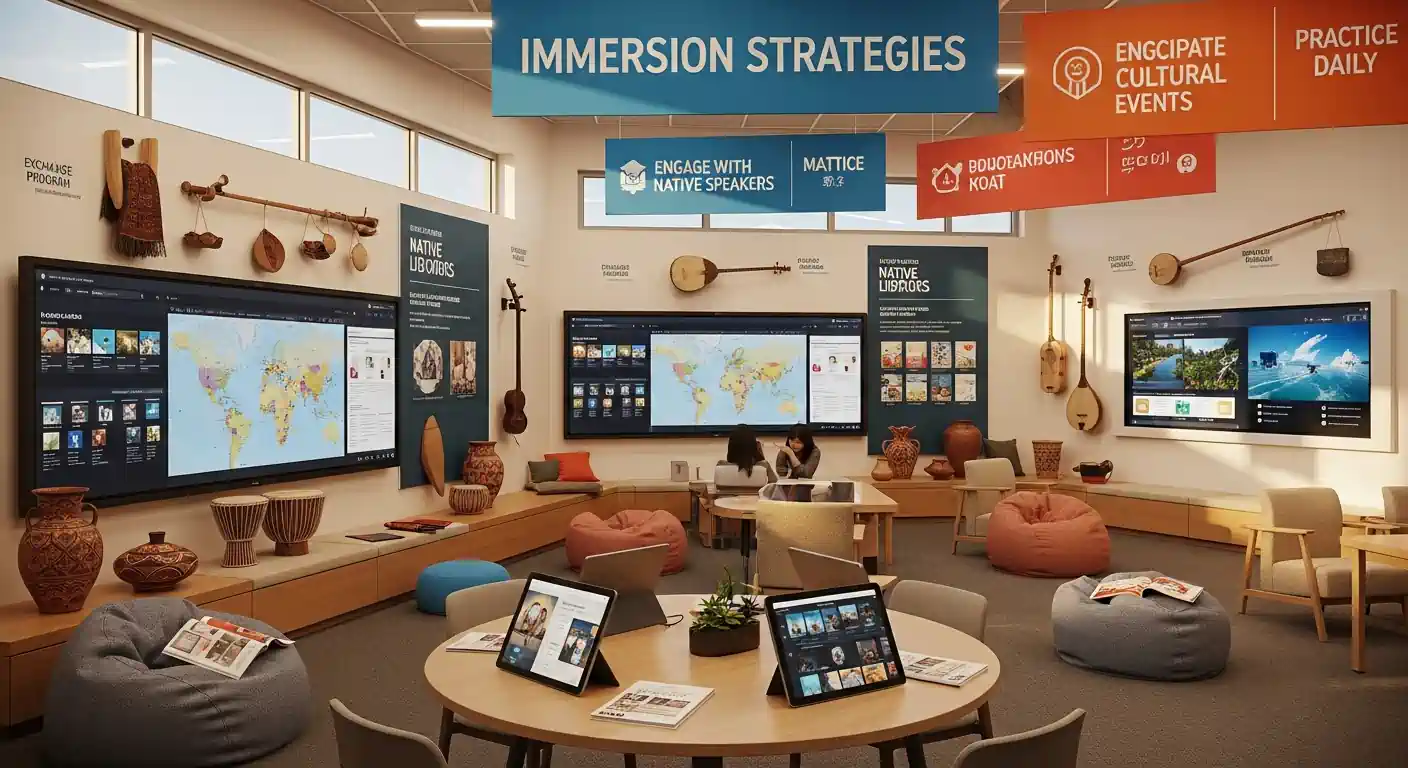
Another powerful strategy is to integrate spaced repetition with immersive learning experiences. Don't just review words in isolation; actively seek them out in real-world contexts. Read articles, watch foreign films, or engage in conversations using the vocabulary you're practicing. This dual approach of systematic review and contextual application significantly reinforces memory traces. By engaging multiple senses and cognitive processes, you create a richer, more resilient memory network. To enhance your reading skills for this purpose, consider exploring strategies for .
The Long-Term Benefits of Spaced Repetition on Fluency
The ultimate goal of language learning is fluency, and spaced repetition is a critical stepping stone toward achieving it. By consistently applying this method, you don't just memorize words; you internalize them. This systematic approach to lasting retention means that when you need a word or phrase, it's not just a fleeting memory; it's a readily available tool in your mental lexicon.
The long-term benefits include:
- Reduced Relearning Time: Since memories are stronger, you spend less time re-learning forgotten material.
- Increased Confidence: A robust vocabulary and grammar foundation boosts your confidence in speaking, reading, and writing.
- Enhanced Fluency: Quicker recall allows for smoother conversations and faster comprehension.
- Cognitive Benefits: Studies, including those from the Global Neuroscience Institute in early 2025, suggest that consistent active recall and spaced repetition can improve general cognitive function and working memory.
Ultimately, spaced repetition doesn't just help you remember words; it transforms your entire approach to language learning, making it more efficient, less frustrating, and immensely more rewarding. It allows you to build a powerful and enduring foundation for true linguistic mastery.
FAQ Section
Q: What exactly is spaced repetition, and why is it so effective for language learning? A: Spaced repetition is a learning technique where you review learned information at gradually increasing intervals. It's effective because it exploits the "spacing effect," where recall is stronger when study sessions are spaced out over time. For language learning, this means reviewing vocabulary or grammar just before you're likely to forget it, strengthening the memory trace and pushing it into long-term retention. This targeted review makes each study session more efficient and impactful.
Q: How do I get started with implementing spaced repetition for my language studies? A: The easiest way to start is by using a digital flashcard application like Anki, Memrise, or Quizlet. Begin by creating flashcards for new vocabulary or difficult grammar points. As you review, the app's algorithm will track your performance and automatically schedule future reviews for optimal memory consolidation. Dedicate a short, consistent period each day (e.g., 10-15 minutes) to reviewing your cards.
Q: Are there any specific apps or tools you recommend for spaced repetition? A: Absolutely! Anki is widely regarded as the most powerful and customizable spaced repetition software, ideal for serious learners who want full control. Memrise offers a more gamified and user-friendly experience, often with pre-made courses. Duolingo also incorporates spaced repetition principles into its lesson structure. Choose an app that aligns with your learning style and allows for consistent daily interaction.
Q: How frequently should I review my language material using spaced repetition? A: The frequency isn't fixed; it's dynamic and personalized by the spaced repetition algorithm you use. Generally, new or difficult items will be reviewed more frequently (e.g., daily), while easier, well-retained items will have longer intervals between reviews (e.g., weekly, monthly, or even yearly). The key is to trust the algorithm and review when prompted, typically for short, focused sessions daily.
Conclusion: Unlock Your Language Potential
Harnessing spaced repetition is arguably one of the most impactful decisions you can make in your language learning journey. It's a scientific, efficient, and proven method to optimize your language memory and transition new knowledge from fleeting short-term recall to enduring long-term retention. By integrating this powerful technique, you're not just memorizing; you're building a robust, accessible mental lexicon that will serve as the bedrock for true fluency.
Don't let the forgetting curve dictate your progress. Embrace spaced repetition, make it a consistent part of your daily routine, and watch your language skills flourish.
Take Action Today:
- Start with an App: Download a spaced repetition app like Anki or Memrise and begin creating your first set of flashcards.
- Commit to Daily Reviews: Dedicate just 10-15 minutes each day to reviewing your cards. Consistency is key!
- Share Your Journey: What are your biggest memory challenges in language learning? Share your thoughts and experiences in the comments below!
Extended Reading & Future Topics: To further enhance your language memory and learning efficiency, consider exploring:
- The Role of AI in Personalized Spaced Repetition: How artificial intelligence is further refining learning intervals and content delivery.
- Integrating Spaced Repetition with Immersion Techniques: Combining systematic review with real-world language exposure for synergistic effects.
- Spaced Repetition for Grammar Rules: Specific strategies for applying this method to complex grammatical structures.
We recommend reviewing this content for updates and new insights every 6-12 months to ensure you're utilizing the latest research and tools.